The key to successfully developing modern, connected products lies in not viewing the physical device in isolation, but consistently as part of a complete system. In the age of IoT, embedded AI, and complex ecosystems, classic, linear development approaches fall short. Anyone launching a high-tech product on the market today must manage the entire system architecture experience.
U-Experten acts as your European high-tech ODM and strategic co-creation partner for future-proof product strategies. We focus on adaptive innovation, networked development, and rapid learning cycles. We transform ideas into a measurable product vision that synchronizes hardware, software, product design, user experience, and market launch. The result: investment security and products that adapt to market changes.
A viable product strategy harmonizes the diverse requirements within the company. We resolve the specific conflicts and pain points of key C-level decision-makers:
The reality in the market: Traditional development cycles are often defined as one-off, rigid projects. Once the budget is exhausted and the product delivered, there is a lack of flexibility to react to changing user behavior or new market trends. Rigid 5-year plans lead directly to technological obsolescence in the high-tech sector and jeopardize ROI.
U-Experten’s approach: We establish a genuine product focus instead of purely project-oriented thinking. We plan market launches iteratively and structure releases to continuously create new added value. This adaptive strategy safeguards your CAPEX investment and keeps your product competitive throughout its entire lifecycle.
The reality in the market: In many R&D departments, hardware developers, software architects, and UX designers work in isolated silos. Interface problems only become apparent during final system integration – leading to costly delays (technical debt). At the same time, the pressure to integrate modern technologies like AI is increasing, often without clear governance and system stability.
U-Experten’s approach: We consider industrial design and systems engineering as an inseparable unit. All disciplines are networked and developed in parallel from the very beginning. We strategically and architecturally deploy technologies such as AI and automation where they efficiently scale development and operation – without compromising system quality or regulatory compliance.
The reality in the market: Product managers often face the challenge of evaluating complex requirements from multiple perspectives. Without clear decision-making processes, there is a risk of overloading the product with expensive but ultimately unused features. Speculation often replaces real data, leading to high risks during market launch.
U-Experten’s approach: We reduce uncertainties early on through data-driven validation and early user feedback. We define the desired user experience, key workflows, and the precise target product before development even begins. This allows your teams to make more informed decisions, minimize risks, and increase product quality – without additional development budgets.
A successful product strategy requires both a view of the big picture and an understanding of the last mechanical detail and the deepest line of software. Most approaches fail in the market due to a deep gap:
Traditional management and strategy consultancies deliver PowerPoint slides and market forecasts. However, because they lack a deeper understanding of embedded hardware, electronics manufacturing, and complex software architectures, their strategies often remain unimplementable paper tigers.
Purely contract manufacturers (EMS) or traditional engineering firms, on the other hand, are excellent at implementing fixed specifications, but cannot provide strategic impetus. They do not question the requirements specification, do not think in terms of business models, and do not understand the user experience of the overall system.
Like leading OEMs in the European mid-market, you too can benefit from the unique positioning of U-Experten: Our approach directly combines visionary systems thinking with solid engineering and manufacturing expertise. We don’t just develop a theoretical strategy for you – we share responsibility for ensuring that this strategy is technologically outstanding, regulatory compliant, and economically successful when brought to market.
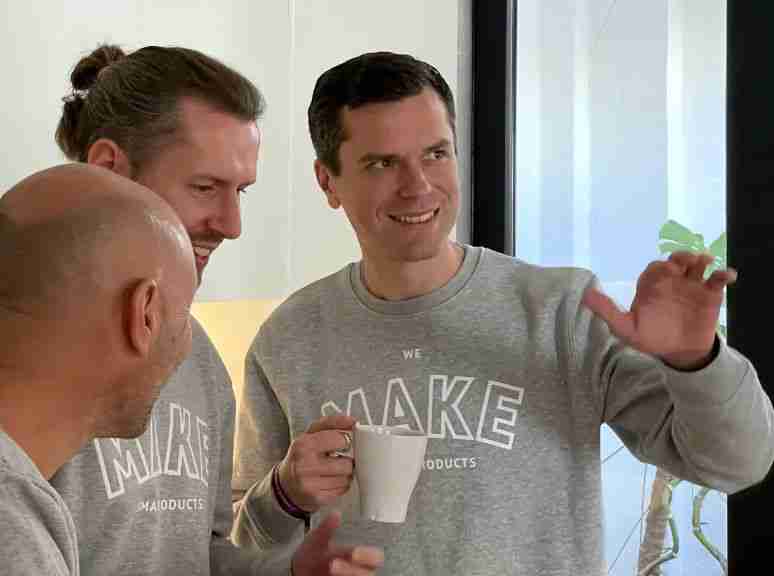
Systematically and creatively develop and design solution approaches through close co-creation.

Perfectly combining hardware, software, and mechanics into a flawless overall system.
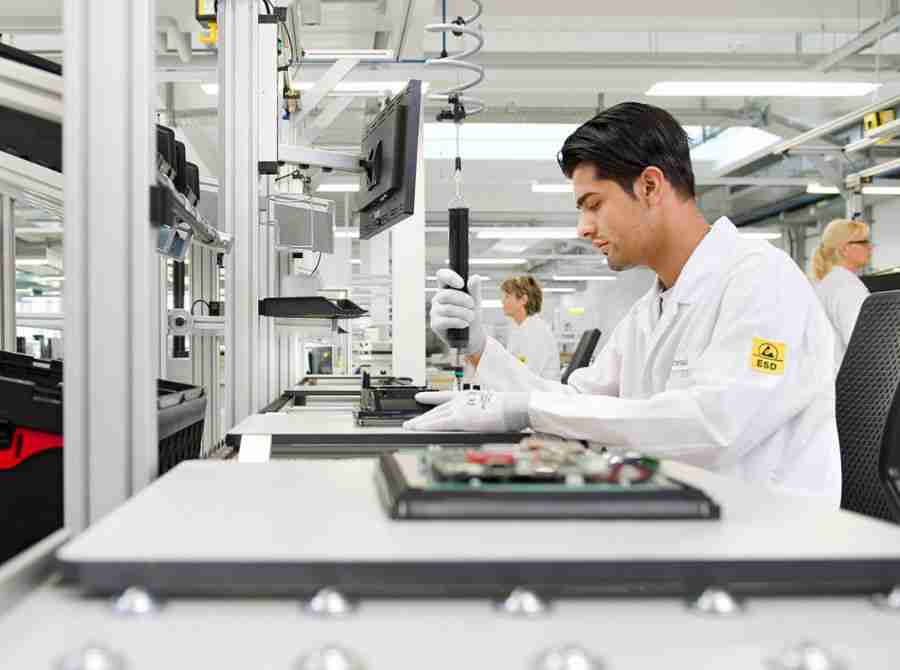
Precise series production and assembly from a single source—reliable, certified, and scalable.
Strategically Plan Your Product Roadmap – For Maximum ROI and Rapid Time-to-Market.
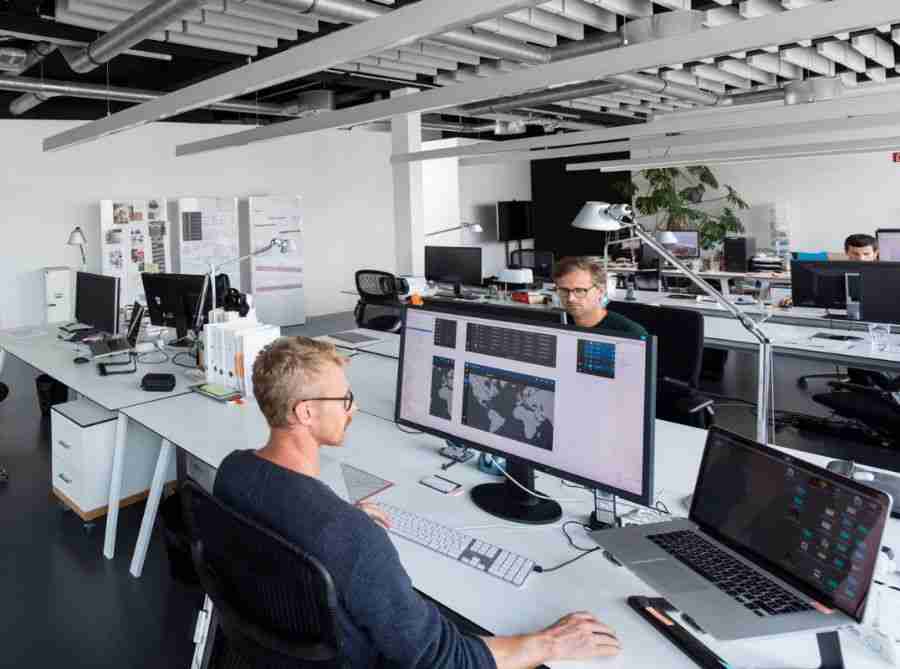
Design enclosures and interfaces to be functionally compelling and delight users.
Secure the long-term success of your product through updates and obsolescence management.
Through pioneering, product-oriented innovations, we enable companies across Europe to become market leaders while simultaneously developing products that sustainably improve the economy, society, and the environment.
As part of the Steliau Technology Group, we combine technological excellence with deep market understanding and clear European values: co-creation, responsibility, and purposeful innovation.
Because modern products are no longer isolated devices, but complex systems comprising hardware, software, and networked services. An isolated approach leads to interface problems, delays, and features developed without regard for market needs. A holistic product strategy synchronizes all disciplines early on and sustainably secures ROI.
Project-based thinking focuses solely on the one-time completion of a development within a given time and budget. Product orientation, on the other hand, considers the entire life cycle. It aims for continuous value creation, adaptive development, and iterative releases to ensure the product remains profitable in the long term, even with dynamically changing market demands.
We replace unconfirmed assumptions with data-driven validation. Through early user integration, precise definition of core workflows, and multidimensional concept evaluations, we reduce uncertainties before investing expensive development budgets. This ensures maximum planning and investment security.
We don’t treat AI as a marketing hype, but as a strategic architectural component. As part of our product strategy, we precisely assess the true value of automation and machine learning for your application. From the outset, we define clear guidelines for data security, scalability, and software governance.
Maximum flexibility. Because we rely on adaptive strategies instead of rigid, linear plans, our roadmaps are modular and iterative. We work with continuous feedback loops and rapid learning cycles, so that changes in direction or technology adjustments can be integrated efficiently at any time without any loss of budget.

PLEASE ACCEPT
To view this YouTube video, please confirm/allow the required marketing cookies below.
Weitere Informationen